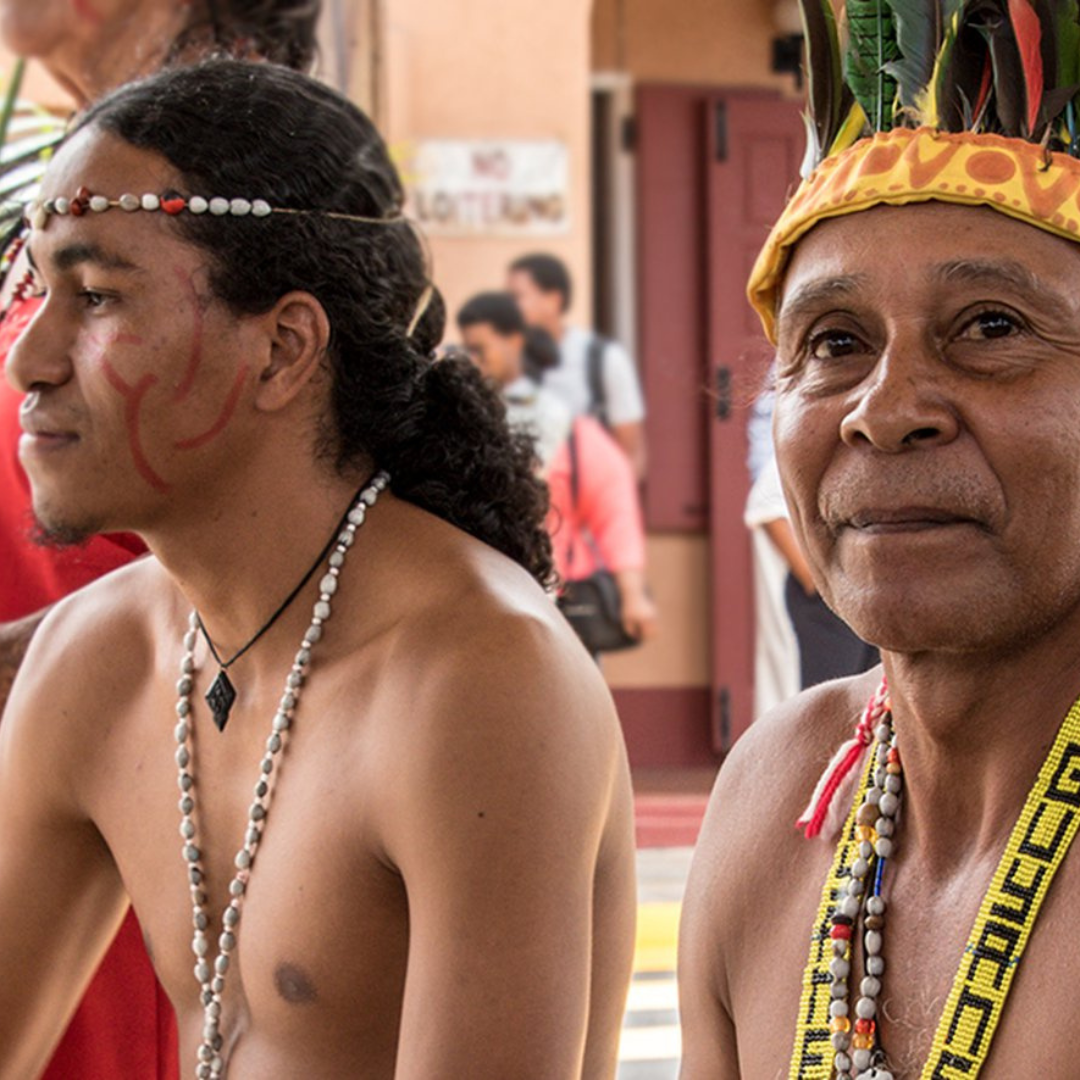
Dominica’s cultural and heritage experiences offer travelers a deep way to connect with the island’s people, history and traditions, providing insights that go beyond simple sightseeing. Dominica’s cultural landscape reflects a rich fusion of Indigenous Kalinago roots, African influences, European colonial history and vibrant Creole traditions, making it an ideal destination for discovery, celebration and immersion in Caribbean heritage.
👉 Curate your cultural immersion trip →
Kalinago Heritage & Cultural Villages
The Kalinago people are among the Caribbean’s last remaining Indigenous populations and their culture is an essential part of Dominica’s identity. The Kalinago Territory, on the island’s east coast, spans thousands of acres and provides visitors with opportunities to engage with traditional ways of life, age-old crafts and ancestral knowledge.
At sites like Kalinago Barana Autê, visitors can explore traditional homes, witness craft demonstrations and learn cultural practices such as basket weaving, canoe building and woodworking, as well as stories and music that reflect centuries of Kalinago heritage.
Guided village tours often include interactions with community members, hands-on craft sessions and demonstrations of traditional activities such as cassava bread making and dance, offering a respectful and immersive cultural experience within a living community.
Local Festivals & Traditions
Dominica’s cultural calendar is alive with festivals and celebrations that bring heritage to life through music, dance, costume and community gatherings. The World Creole Music Festival is one of the island’s most renowned cultural events, held annually over three nights at the end of October, and it showcases a wide range of Creole music genres including bouyon, cadence-lypso, zouk and other Caribbean sounds.
Dominica’s Carnival season, celebrated in February and March, features vibrant parades, rhythmic music and traditional dress, providing travelers with engaging opportunities to join in local festivities and experience communal celebrations.
Smaller village feasts and parish celebrations occur throughout the year, often linked to patron saints or historical commemorations, and blend devotion, music, food and community spirit in authentic local settings.
Markets & Artisan Culture
The Old Market of Roseau is a historic marketplace that evolved from its colonial role into a hub for local crafts, artisanal goods and cultural exchange. Today it features stalls selling handcrafted jewelry, batik, carvings, spices and textiles that reflect Dominican craftsmanship and creativity.
Across the island, markets provide insight into daily life and community rhythms, where fresh produce, bush teas and indigenous ingredients are sold alongside handcrafted souvenirs. Exploring these markets offers travelers a chance to see how culture is expressed through everyday commerce, food traditions and artisan skill.
Local galleries, artist workshops and craft cooperatives further expand cultural exposure, showcasing works inspired by nature, history and heritage that visitors can admire or purchase to support local artisans.
Culinary Journeys . Taste the Heritage
Dominica’s culinary heritage reflects the island’s unique cultural blend, where Indigenous, African and European influences shape traditional dishes and foodways. Local cuisine is deeply tied to agriculture, with fresh produce like plantains, root vegetables, herbs and seafood playing central roles in Creole cooking.
Signature dishes include callaloo soup, a rich green soup often made with callaloo leaves, okra and coconut milk, and bakes and saltfish, a flavorful combination of fried dough and salted cod. Visitors can also sample fish broth, mountain chicken (a regional specialty historically made from frog legs) and other dishes that narrate the island’s food story.
Guided culinary tours and food-centric excursions allow travelers to taste local flavors, learn about cooking techniques and appreciate how traditional ingredients are woven into cultural expression.
Cultural Landmarks & Museums
For travelers interested in deep history, the Dominica Museum in Roseau offers a comprehensive look at the island’s cultural evolution, tracing Indigenous life, colonial periods and modern heritage through artifacts, photographs, tools and exhibits that reflect social history and cultural diversity.
Historic architecture, colonial buildings and preserved sites across towns like Roseau provide further context to the island’s past, inviting visitors to explore how heritage and identity have shaped contemporary culture.
Cultural Immersion Tips . Planning & Respect
• Book guided tours in advance to secure visits to the Kalinago Territory, cultural village experiences and heritage tours with knowledgeable local guides.
• Attend festivals with context by learning about their origins, traditions and social significance, and engage respectfully with local customs and performances.
• Explore markets early in the day to see fresh produce, artisan crafts and culinary staples, and engage with vendors to understand food traditions.
• Learn a few phrases in Kwéyòl (Creole) to enhance local interaction, show respect for culture and create deeper connections with community members.
Cultural experiences often vary by season, so flexible timing allows travelers to participate in festivals, feasts and artisan events that may occur throughout the year.
Curate Your Cultural Immersion Trip
Dominica’s cultural and heritage offerings blend Indigenous traditions, Creole music and rhythm, vibrant festivals, artisan crafts and rich culinary journeys to create meaningful travel experiences that resonate deeply. These layers of heritage form the soul of the island, rewarding travelers who seek connection beyond the typical sightseeing itinerary.
👉 Curate your cultural immersion trip now →