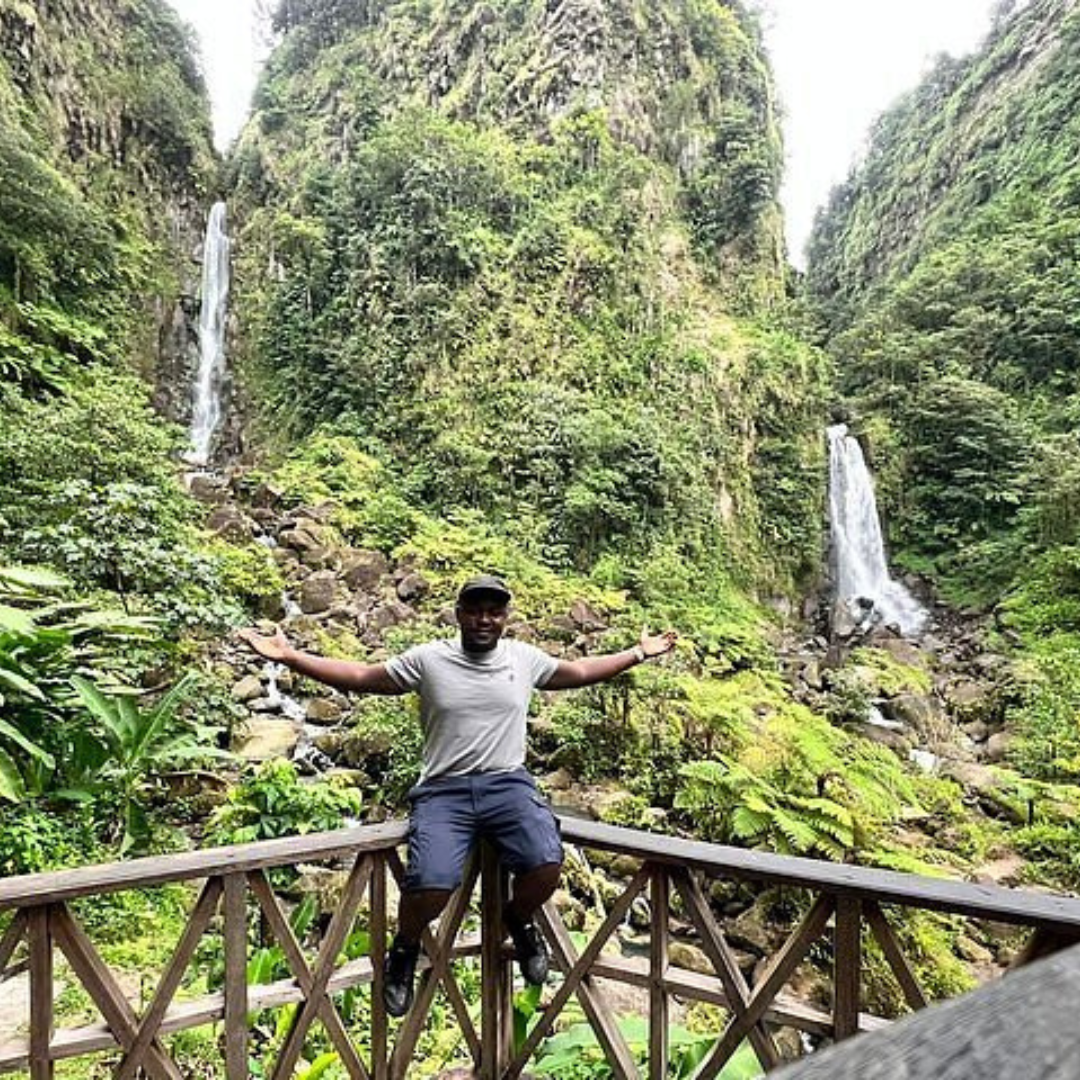
Dominica is a rewarding destination, but it is not a plug-and-play island. Travel here feels different from larger Caribbean hubs, and that difference is precisely what attracts thoughtful travelers. Knowing what to expect before you arrive helps you travel more comfortably, safely and confidently.
This guide answers the most common practical questions travelers ask. From safety and money to transportation and daily logistics, these Dominica travel tips help you prepare realistically and avoid unnecessary friction during your stay.
If you are researching whether Dominica is safe, how money works on the island, or what to know before traveling, this page provides clear guidance.
Is Dominica Safe for Travelers
Dominica is widely considered a safe destination for international visitors. Violent crime is rare, and travelers often remark on the friendliness and approachability of local communities.
That said, safety in Dominica is closely linked to environmental awareness rather than crime prevention.
Key safety considerations include:
- Trails and forest paths can become slippery after rain
- Rivers can rise quickly during heavy rainfall
- Ocean conditions vary by coast and season
- Night driving requires caution due to narrow roads
Travelers who respect local advice, weather conditions and natural terrain generally experience Dominica as calm and secure.
Money in Dominica. Currency and Payments
The official currency is the Eastern Caribbean Dollar (XCD).
Important points to know:
- Cash is still widely used, especially outside main towns
- Credit cards are accepted at many hotels and restaurants, but not everywhere
- ATMs are available in Roseau, Portsmouth and near the airport
- Small vendors and local markets often require cash
US dollars are sometimes accepted, but change is typically given in XCD. Informing your bank before travel is recommended to avoid card blocks.
Getting Around the Island
Transportation in Dominica requires patience and planning.
Car Rentals
Renting a car offers the most flexibility, especially for reaching waterfalls, trailheads and remote accommodations. Driving is on the left, and roads are narrow and winding.
A temporary local driving permit is usually required and can be arranged through rental agencies.
Taxis and Private Drivers
Taxis are available and reliable, though prices are often fixed per route rather than metered. Private drivers are a popular option for travelers who prefer not to drive.
Public Transport
Privately operated minibuses run between villages and towns. They are inexpensive but operate on informal schedules and may not suit travelers with tight plans.
Weather, Packing and Clothing
Dominica’s tropical climate influences what you should bring.
Packing essentials include:
- Light, breathable clothing
- A rain jacket or poncho
- Sturdy walking shoes or hiking sandals
- Swimwear suitable for rivers and hot springs
- Insect repellent and reef-safe sunscreen
Weather can shift quickly, particularly inland. Planning flexible days rather than rigid schedules improves the experience.
Connectivity and Communication
Internet access is generally reliable in hotels and villas, though speeds may vary in remote areas. Mobile coverage is good along the coast and in towns, with reduced signal in mountainous regions.
Travelers working remotely or needing consistent connectivity should confirm arrangements in advance.
Cultural Awareness and Local Etiquette
Dominica’s culture values respect, humility and community.
Practical etiquette tips:
- Greet people when entering shops or public spaces
- Ask before photographing individuals or private property
- Dress modestly when visiting villages or markets
- Be patient with service timing. The island moves at its own pace
Engaging respectfully enhances interactions and opens doors to more meaningful experiences.
Food, Water and Health Considerations
Food hygiene standards are generally good. Bottled water is widely available, and tap water is often safe, though travelers with sensitive stomachs may prefer bottled options.
Local cuisine features fresh produce, seafood and Creole flavors. Travelers with dietary needs should communicate preferences clearly, especially outside major accommodations.
Basic medical facilities are available, but travel insurance is strongly recommended, particularly for adventure activities.
When Planning Matters Most
Dominica rewards preparation more than spontaneity in certain areas.
Advance planning is especially important for:
- Accommodation during high season
- Guided hikes or marine excursions
- Wellness or private experiences
- Transportation on arrival and departure days
Thoughtful preparation reduces stress and allows the destination to unfold naturally.
→ Related guide. Dominica Travel Guide. How to Plan Your Perfect Visit
Travel Smart. Experience More
Dominica offers extraordinary experiences, but they are best enjoyed by travelers who arrive informed and prepared. Understanding the practical realities of the island allows you to focus on what truly matters once you are there.
Nature, culture and time are the island’s greatest assets.
Plan Your Trip with Confidence
If you want guidance that aligns logistics, accommodations and experiences around your comfort level and priorities, personalized planning makes a meaningful difference.
👉 Plan your Dominica trip with practical guidance and tailored support →